
Methodology 
Our analysis is based on World Health Organization (WHO) guidelines, building standards, and the latest research on environmental impact on mental and physical health.
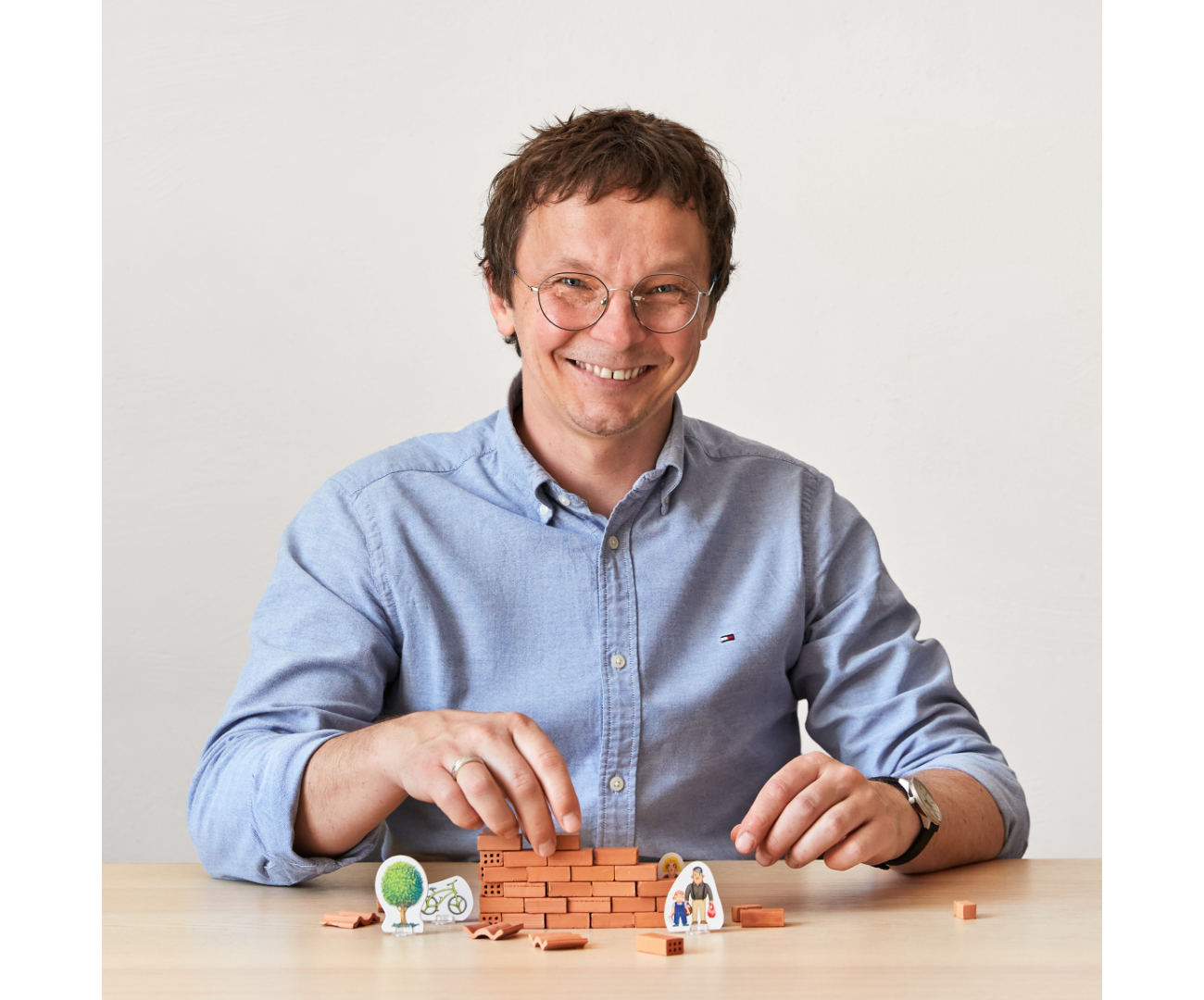
Tomasz Bogusz
Architect · HAG Human Architecture Group · Gdansk
The quality of architecture should be measured by how we feel in it. Does it support our health? How do we feel in a given space? Is it an environment that fosters connections with others? These are the true measures of good design.
Architecture focused on people
Founder and leader of HAG studio, specializing in well-being architecture. Applies solutions based on biophilia and current neuroarchitecture research in daily practice.
Scientific knowledge combined with experience
Combines the study of architecture's impact on health with over twenty years of industry experience. Delivers projects in Poland, Tanzania and Scandinavia. Extensive experience on both execution and design sides.
Well-being architecture expert
His scientific knowledge is grounded in numerous residential and resort projects, focused on wellness aspects. Conducts training, gives lectures, publishes in trade press, popularizing well-being architecture.
ARCHITECTURE OF WELL-BEING
6 HABIscore pillars
Ergonomics
Does your apartment layout really work for you? We check circulation paths, zoning, and furnishing potential – because poor proportions mean daily compromises that add up to years of frustration.
Light
Sunlight in your apartment is not a coincidence – it's the result of thoughtful orientation and window placement. We analyse whether light reaches where you need it: the bedroom in the morning, the living room in the afternoon. Without good natural light, even a beautiful apartment can drain your energy.
Microclimate
Stuffiness in winter, overheating in summer – a poorly designed apartment takes its toll all year round. We check whether you can ventilate it effectively, whether it will overheat, and whether air quality in the area doesn't pose a health risk.
Nature
Greenery outside the window, a balcony for morning coffee, a park five minutes away – that's not a luxury, it's a condition for well-being. We check how close you are to nature and whether your outdoor space offers a real chance for daily contact with the natural world.
Acoustics
The noise you don't hear during your visit will be there every night. We analyse whether the bedroom is adjacent to an elevator shaft, stairwell, or busy street. True quiet is rare – it's one of the most important conditions for recovery.
Neighbourhood
Where you live determines how you live every day.** We assess access to services, schools, transport, and recreational areas – but also the prevalence of short-term rentals in the area, and whether the neighbourhood fosters meaningful connections with others.
How does your apartment affect your health?
Scientific research confirms: air quality, light and acoustics in your home directly impact physical and mental health.
PM2.5 penetrates indoors
25-75% of outdoor particulate matter infiltrates indoors. The American Lung Association links PM2.5 exposure to 48,000 premature deaths annually in the US.
Cross-ventilation reduces pathogens by 75%
Journal of Hospital Infection: natural cross-ventilation achieves 12-16 ACH air exchange rates, reducing airborne pathogen transmission by up to 75%.
Morning light resets your body clock
Neuroscience research: 2-10 minutes of morning sunlight exposure (10,000+ lux) is critical for cortisol regulation and circadian rhythm.
North-facing apartments get 60% less light
Architectural studies: north-facing units receive ~60% less direct sunlight, correlating with higher depression scores among residents.
Night noise above 40 dB harms health
WHO Night Noise Guidelines: noise above 40 dB(A) at night causes sleep disturbance, cardiovascular activation and reduced morning alertness.
Noise raises cortisol by 30%
Noise & Health: chronic exposure to noise above 65 dB elevates cortisol levels by 30%, contributing to chronic stress and metabolic syndrome.
A garden lowers depression risk by 25%
COVID lockdown study (2020): access to a private garden was associated with 25% lower probability of depression and 17% lower anxiety.
Biophilia boosts creativity by 15%
Human Spaces Report (7,600 workers): biophilic elements (plants, natural light, water) increased creativity by 15% and well-being by 13%.
Walkability adds 30-45 min of activity
American Journal of Preventive Medicine: residents of walkable neighbourhoods walked 30-45 minutes more per week than those in car-dependent areas.
Water bodies enhance mental well-being
BlueHealth project (EU): living within 1 km of coastal or freshwater environments was associated with significantly better mental health outcomes.
Kitchen design affects diet
Cornell Food & Brand Lab: people in chaotic, disorganised kitchens consumed 44% more snacks than those in calm, organised environments.
Bedroom affects relationships
Journal of Family Psychology: couples who rated their bedroom environment as pleasant reported 15% higher relationship satisfaction.
Check your address today
Enter your address and receive an objective assessment of the surroundings — based on data, not feelings.